





Introduction
Visual appeal gets attention, but structure earns trust. Most brands still chase beauty, polish, or trend alignment before building the underlying system that makes identity work under real conditions. It is an easy trap, because beautiful things feel complete. They feel convincing. But a brand is not a picture. It is a system with behavior, rules, tension, and logic.
When structure is missing, design becomes decoration. It looks good for a moment, then breaks the first time the brand tries to scale. What follows is a cycle of redesigns that never fix the real issue: a missing architecture. This post unpacks why pretty design fails, how structure creates coherence, and what brand teams can do to build identities that hold under pressure.
EDITOR’S TIP
If you want to understand how brands drift, read our post Why Most Branding Efforts Fail Before Design Even Starts for a deeper look at early system mistakes.
Design Owes Its Power to Structure
Good design looks intentional. Great design behaves intentionally. That behavior is shaped by structure: the system behind the visuals that defines how the identity adapts, stretches, simplifies, or scales.
Structure decides what stays fixed and what can flex. Design expresses that decision.
Without structure, a brand acts like a room with attractive furniture but no load bearing walls. The moment you add weight, it bends. The moment you expand, it cracks. This is why teams often feel that their identity works in one format but collapses in another. The issue is not the designer. The issue is the absence of a system that guides consistency.
If structure is the architectural blueprint, design is the material finish. One cannot replace the other.
Pretty Design Creates the Illusion of Strength
Aesthetic appeal can hide structural weaknesses for a while. Smooth visuals can mask inconsistencies because they keep the viewer’s attention on style over behavior. But the moment the brand leaves the controlled environment of a website or a launch deck, the problems emerge.
You know the signs:
- Logos that resize poorly
- Typography rules that evaporate
- Color palettes that look different across campaigns
- Layouts that feel improvised instead of intentional
- Social templates that drift from each other
These are not aesthetic mistakes. They are system failures. Pretty design, with no structural support, creates work that looks complete but acts unstable.
The system tells the truth. Always.
When the Structure Is Right, Style Works Harder
The purpose of design is not to look good, it is to clarify meaning. And clarity only happens inside a well built system. Structure gives the identity logic. It determines spacing, scale, rhythm, contrast, and the visual behaviors that keep a brand recognizable even when stripped to its simplest form.
Think of a brand with a strong system:
- You can remove the logo, and still feel the identity.
- You can remove the headline, and still recognize the pattern.
- You can remove the color, and still see the logic.
That is the power of structure. Design becomes an extension of intent instead of an attempt at beauty.
With a clear system, design stops working alone. It starts working as one voice.
Why Pretty Design Breaks Under Real Conditions
Aesthetic first approaches often fail because they are created in isolation. Designers build a polished moment without knowing how the identity will behave across 150 touchpoints. The result is a fragile visual that only works in the environment it was created for.
Real brands live in many contexts:
- Dense
- Minimal
- Fast
- Slow
- Mobile
- Social
- Environmental
If structure is missing, the design collapses the moment the context shifts.
Brand systems engineering solves this by defining rules early, long before style enters the conversation. These rules shape the identity’s true behavior: how it scales, how it aligns, how it communicates, how it protects its core signals.
Design becomes a performer.
Structure becomes the choreography.
Structure Removes Guesswork for Designers
Designers often get blamed for inconsistency, but the issue is rarely their execution. It is the lack of a clear system.
When a designer knows:
- typography hierarchy
- spacing rules
- color behavior
- layout flow
- image treatment logic
- motion pattern
- minimum contrast values
- scale limits
their decisions become sharper. Their work becomes predictable. More importantly, it becomes replicable. That is how brands grow without drifting.
Structure also creates freedom. Designers can explore variation without breaking the identity, because they know where the boundaries are.
Clarity is the brand’s real power.
How to Build Structure Before Design
Building structure is not complex. It requires discipline and sequence more than creativity.
Here is the order:
- Define the brand signals. What does the brand need to communicate every time it appears?
- Establish core behavior. How should the brand act visually? Calm, bold, technical, human, structured, energetic?
- Shape the architecture. Grid, spacing, hierarchy, pattern, rhythm.
- Decide the rules. What must stay fixed? What can flex?
- Test for scalability before design exploration, not after.
- Create style from structure, not structure from style.
This is how identities become durable. Pretty design is an outcome. Structure is the cause.
EDITOR’S TIP
If you want to understand how brands drift, read our post Why Most Branding Efforts Fail Before Design Even Starts for a deeper look at early system mistakes.
Every Brand Sends Signals, Intentional or Not
Without structure, every visual asset becomes a random signal. Teams try different styles, different tones, different layouts. The identity becomes a collage of intentions. The brand starts drifting, not because of bad decisions, but because there is no system to align decisions.
When the structure is defined early, the brand’s signals become predictable, clear, and intentional. The identity gains coherence. The visuals work harder with less effort.
Good design is scalable. Bad design is busy.
PRO TIP
If your team needs a brand system that scales, W360º offers a full Brand Identity Development service designed to build structure before style.
Have You Ever Seen a Brand That Looked Great but Collapsed the Moment It Scaled?
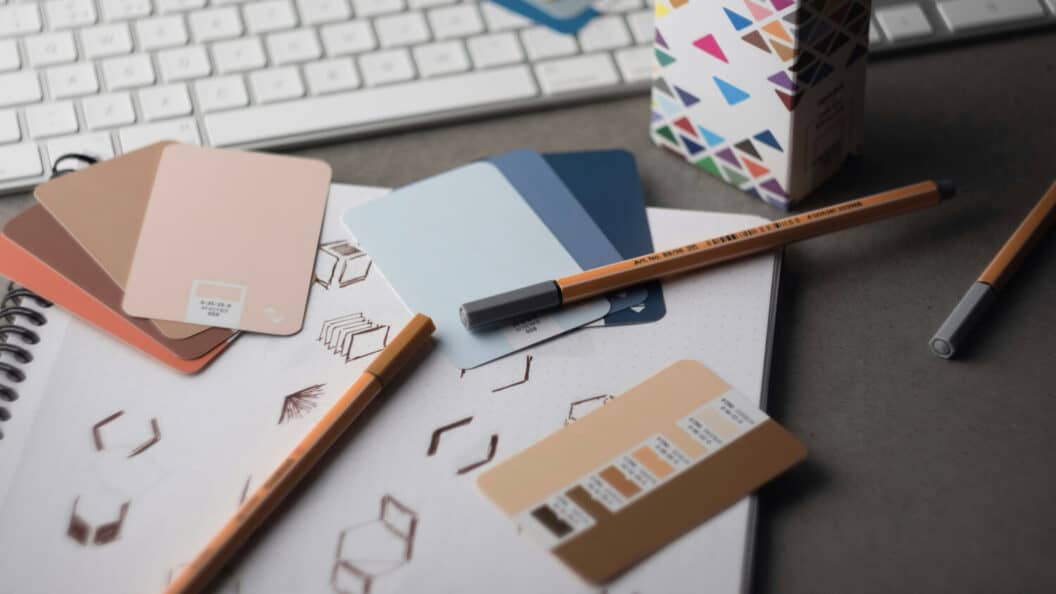
Photo by JESHOOTS.COM on Unsplash



I appreciated how you explained that design mistakes can shape brand perception in subtle ways,it made me rethink how structure affects trust.
Thank you Liam, structure is often overlooked even though it is the backbone of brand clarity and long term consistency.
Interesting read, especially the part about how pretty visuals without system thinking can confuse audiences, this is something I see often.
Thank you María, you are right, design without structure tends to drift and this drift weakens brand recall quickly.
The article hit home for me, I used to focus on aesthetics first and only later realized that consistent brand architecture matters more.
Thanks Jonas, many designers learn this the hard way, structure is what keeps creative expression aligned with brand strategy.
I found this perspective refreshing, most blogs talk about trends but you focused on fundamentals which made it much more practical.
Thank you Yuki, fundamentals never go out of style and they often produce more stable brand growth than trend chasing.
I liked the examples of structural failures, they showed how small inconsistencies can accumulate into a weakened brand identity.
Thank you Tawanda, exactly, small misalignments repeat themselves and at scale they distort how the audience experiences the brand.
The point about brand systems protecting against subjective design decisions was very insightful, more teams need this mindset.
Thank you Giulia, systems replace subjective judgement with shared standards which raise both quality and efficiency.
I do think sometimes brands over engineer structure though, leaving little room for creativity, curious how you balance that.
Thanks George, good point, structure should guide not restrict, the best systems create room for creativity inside clear boundaries.
Clear message, the idea that visual polish is useless without strategic alignment is something I wish more clients understood.
Thank you Elina, strategy is what gives visuals purpose and the moment visuals lose purpose they stop building the brand.
Your examples reminded me of a project where inconsistent spacing ruined the entire identity system, structure matters indeed.
Thanks Pranav, spacing is one of the smallest yet most influential structural elements, it shapes how orderly a brand feels.
I enjoyed the clarity of your arguments, the article flows well and supports the thesis that beauty alone does not build trust.
Thank you Claudine, trust is rooted in consistency and order which beauty can support but never replace.
As a developer I found this helpful, I see designers hand over visually nice but structurally chaotic assets far too often.
Thank you Andre, cross discipline alignment is essential because structure ensures that creative work survives implementation.
Strong article, I liked the part explaining that brands decay when their internal rules are not maintained over time.
Thank you Katya, indeed, brands require maintenance just like systems and keeping rules alive preserves long term identity strength.